
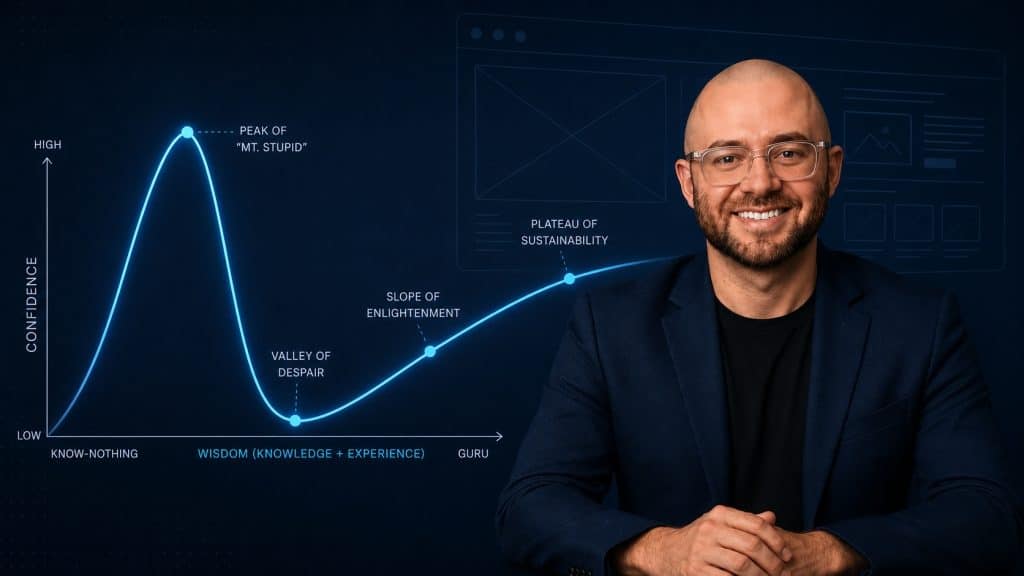
The Dunning-Kruger effect in web design explains why so many people underestimate the complexity of websites, digital marketing, SEO, AI, and building real online systems that actually perform.

Written by the Sage Digital Agency team.
The Dunning-Kruger effect in web design explains why so many people underestimate the complexity of websites, digital marketing, SEO, AI, and building real online systems that actually perform.

When hiring a digital marketing agency, it’s wise to ask questions about credibility, proven results, and ongoing support. See the questions you should ask before hiring.
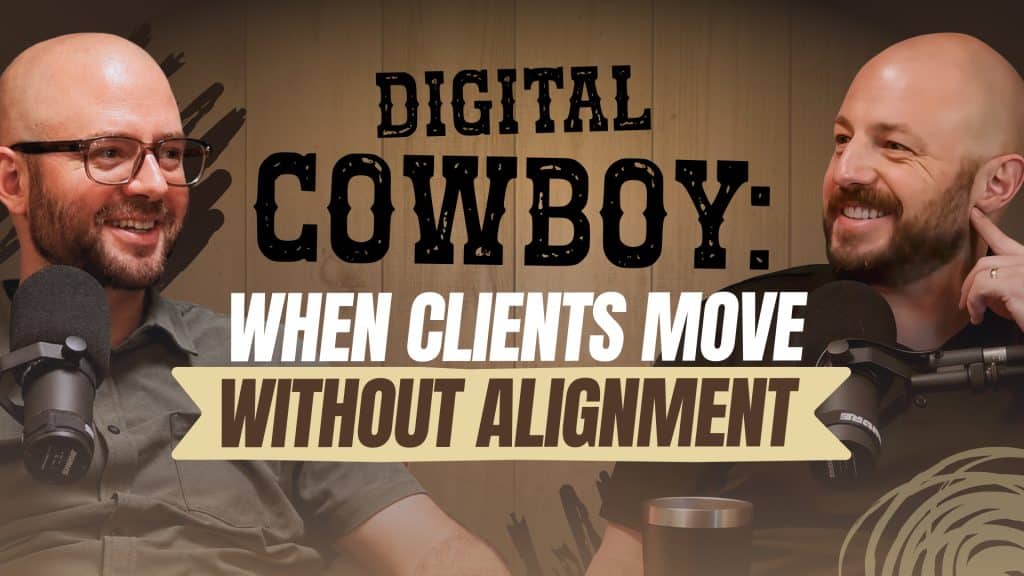
Digital cowboys can unintentionally hurt their own websites by making changes without first consulting the professionals they’ve hired. This article explores this topic.

Business growth gets messy when the owner stays in every decision. This piece breaks down the hiring, systems, review workflows, and operating habits that help a business grow without losing quality.

Bad digital marketing can cost real money. This article discusses fake reporting, AI and SEO hype, weak accountability, and when poor execution crosses the line.

Website accessibility is a legal obligation, a usability standard, and a measurable business risk. Here’s what WCAG 2.2 requires, why overlays fail, and how to fix your site in a way that holds up.

Pixel art is back, but that does not mean every brand should use it. This article looks at why the style is resurging, where it works best, and what it takes to make pixel art web design work today.

If your website disappears, recovery usually depends on what backups or archived copies still exist. This guide walks through the best recovery options in 2026, from host backups and old plugin copies to the Wayback Machine and full rebuilds.

Potential clients looking for results-driven marketing are not just shopping for design or promotion. They are trying to reduce risk. They want to know who can think clearly, execute cleanly, and tie the work to a real outcome. Explore how Sage Digital Agency satisfies these requirements.

What turns a company’s mission into something people actually trust? This piece explores the gap between having an “on-paper why” and a brand belief that is lived daily through clear values, internal advocacy, consistent branding, and strong client relationships.



Company
Services
Products